
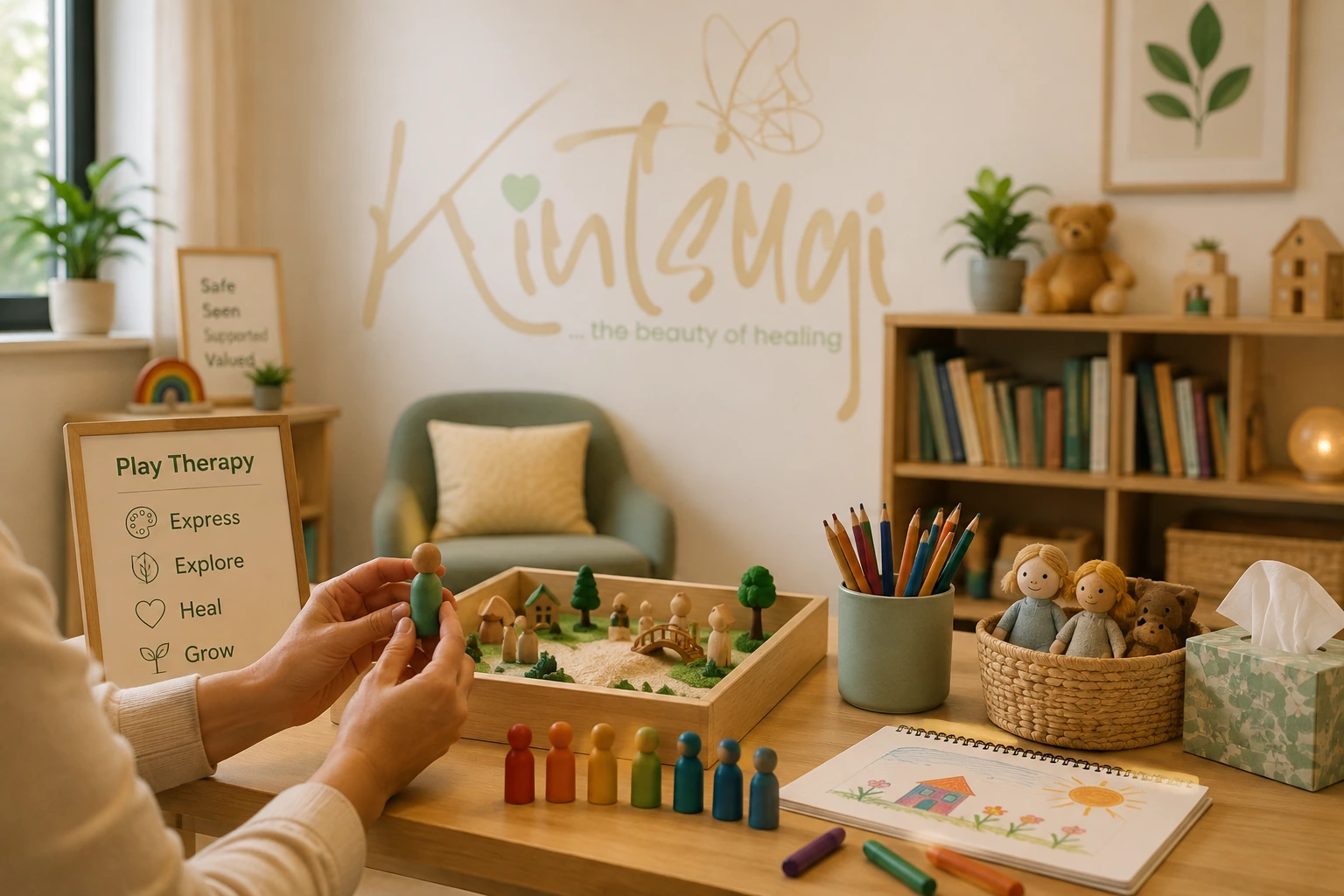
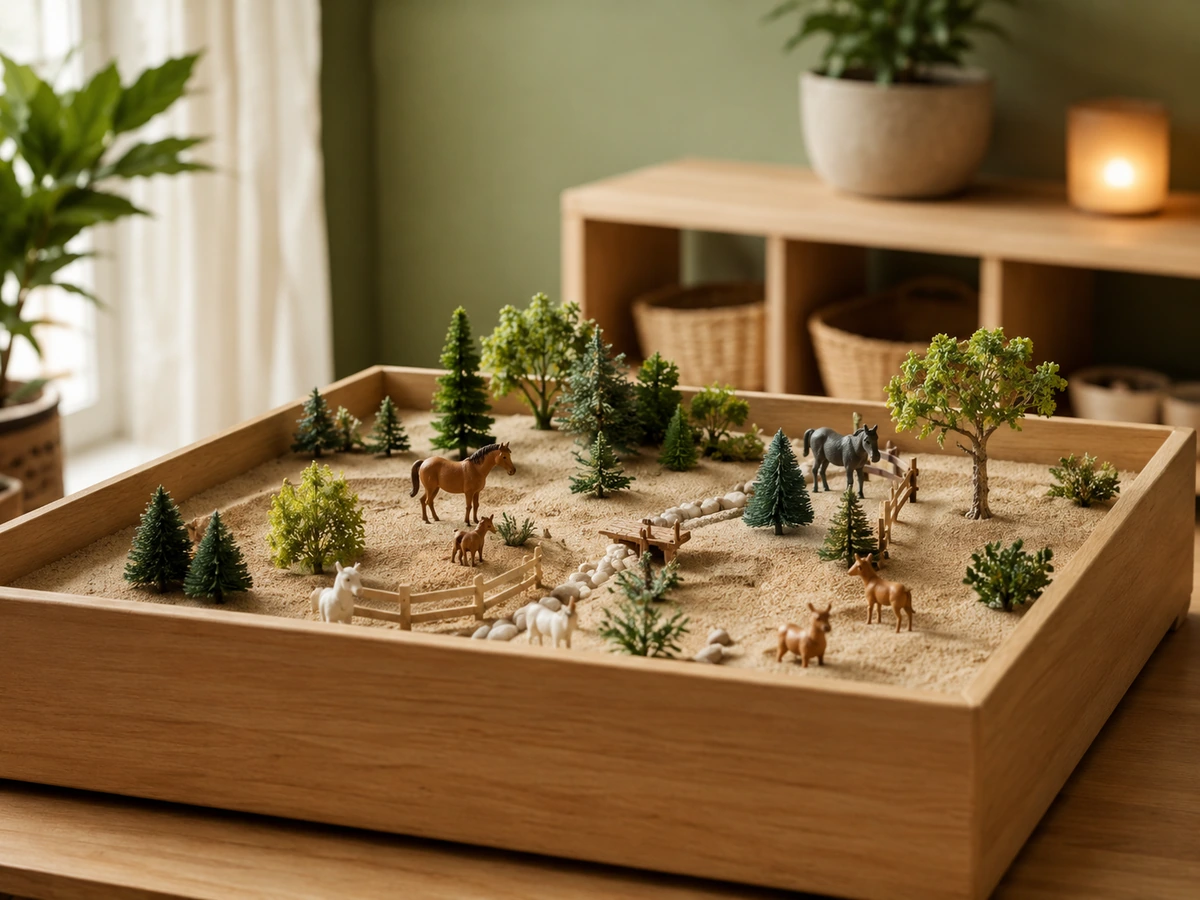
Sand Tray
Children create worlds in sand to express feelings, relationships, and stories that are hard to put into words.
Helping children express emotions, build confidence and heal through the power of play.
Ages 2-15 · A safe, playful space to feel understood.
“Play is the child's language, and toys are the child's words.”
— Garry Landreth
Understanding
Children often express emotions through behaviour rather than words. A child who is anxious may become withdrawn, while another may show anger, clinginess, or difficulty concentrating. These behaviours are often attempts to communicate feelings they cannot yet explain.
Play Therapy is a developmentally appropriate, evidence-based psychological intervention in which trained therapists use play — the natural language of children — to help them express emotions, process experiences, and strengthen coping skills.
Unlike ordinary play, therapeutic play is guided by clearly defined clinical goals and delivered within a safe, structured therapeutic relationship.
90%
of brain development occurs before the age of five, highlighting the importance of early emotional support and intervention.
Source: Center on the Developing Child, Harvard University
Play is not a break from learning. Play is how children learn, communicate and heal.
Why play?
The emotional areas of the brain develop earlier than the areas responsible for language and reasoning. Children often feel deeply before they can explain what they feel — play bridges that gap.
Communicates through Conversation
Communicates through Conversation + Activities
Communicates through Play
How Play Therapy compares
| Aspect | Play Therapy | Counselling | Behaviour Therapy | Occupational Therapy |
|---|---|---|---|---|
| Primary Language | Play | Conversation | Behaviour | Functional Activities |
| Best Age | 2-15 yrs | Older children | All ages | All ages |
| Focus | Emotional healing | Thoughts & feelings | Behaviour change | Skills & participation |
| Child-led | Yes | Limited | No | No |
What happens in a session
Each activity allows children to communicate experiences, emotions, relationships and fears in a way that matches their developmental stage.
Children create worlds in sand to express feelings, relationships, and stories that are hard to put into words.
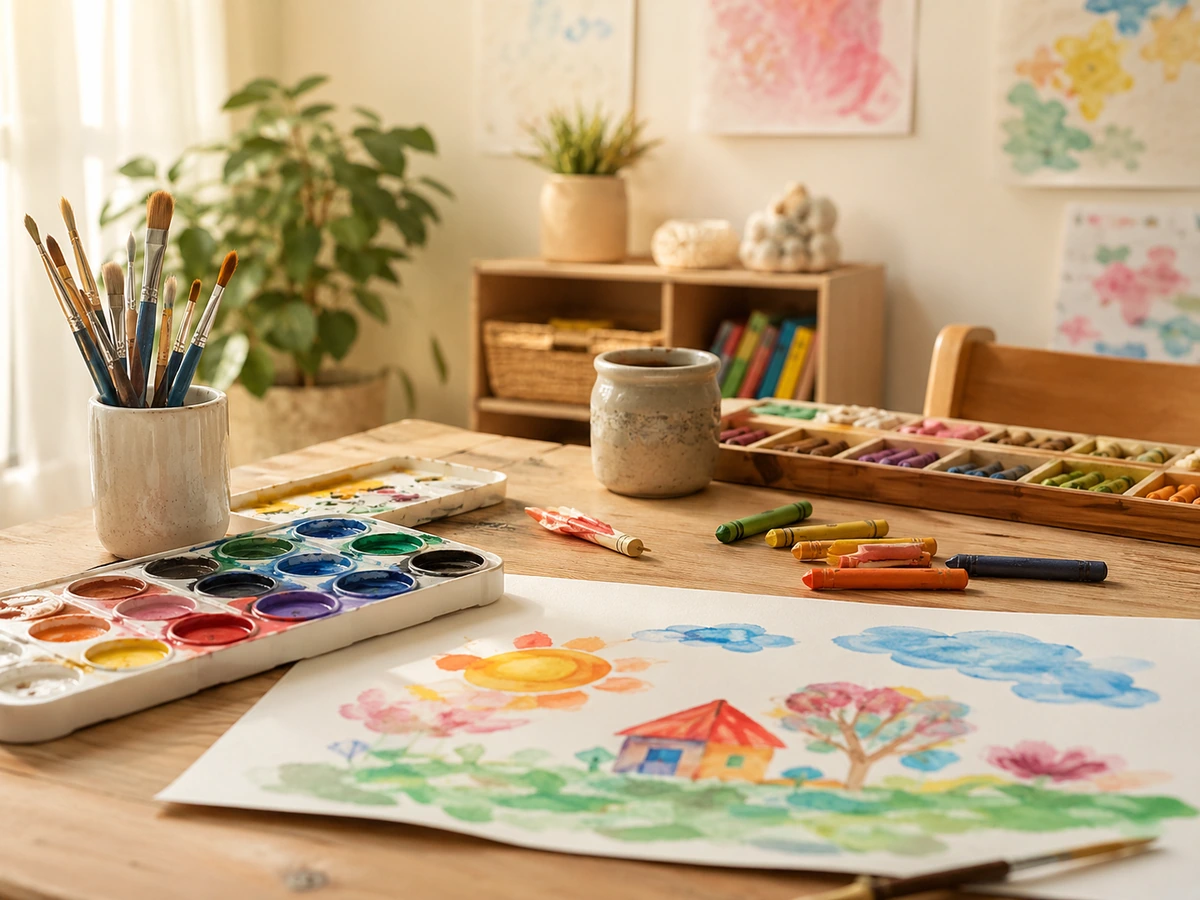
Drawing, painting, and collage give children a safe outlet for emotions, identity, and imagination.

Stories and narrative play help children make sense of experiences and rehearse new ways of coping.
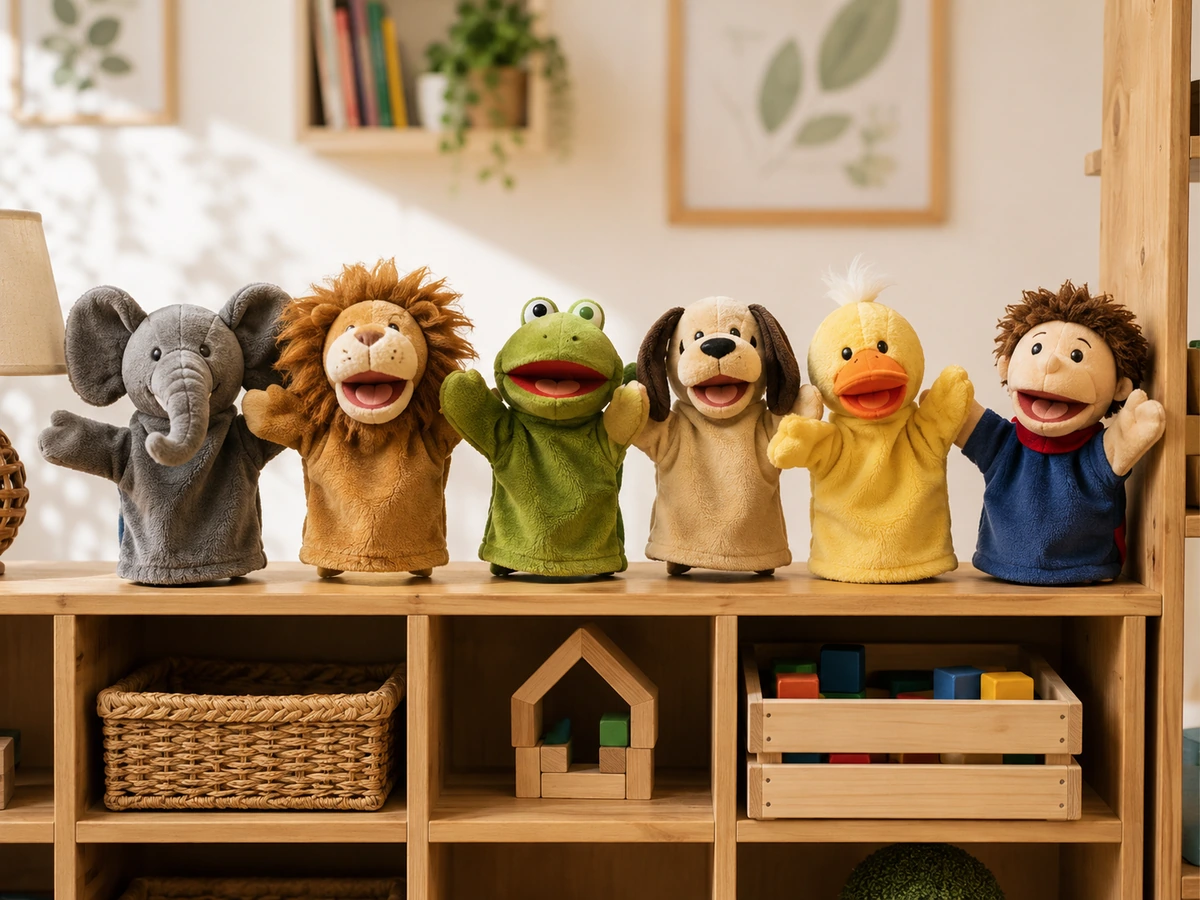
Puppets let children speak through characters, exploring conflict, care, and connection at a comfortable distance.
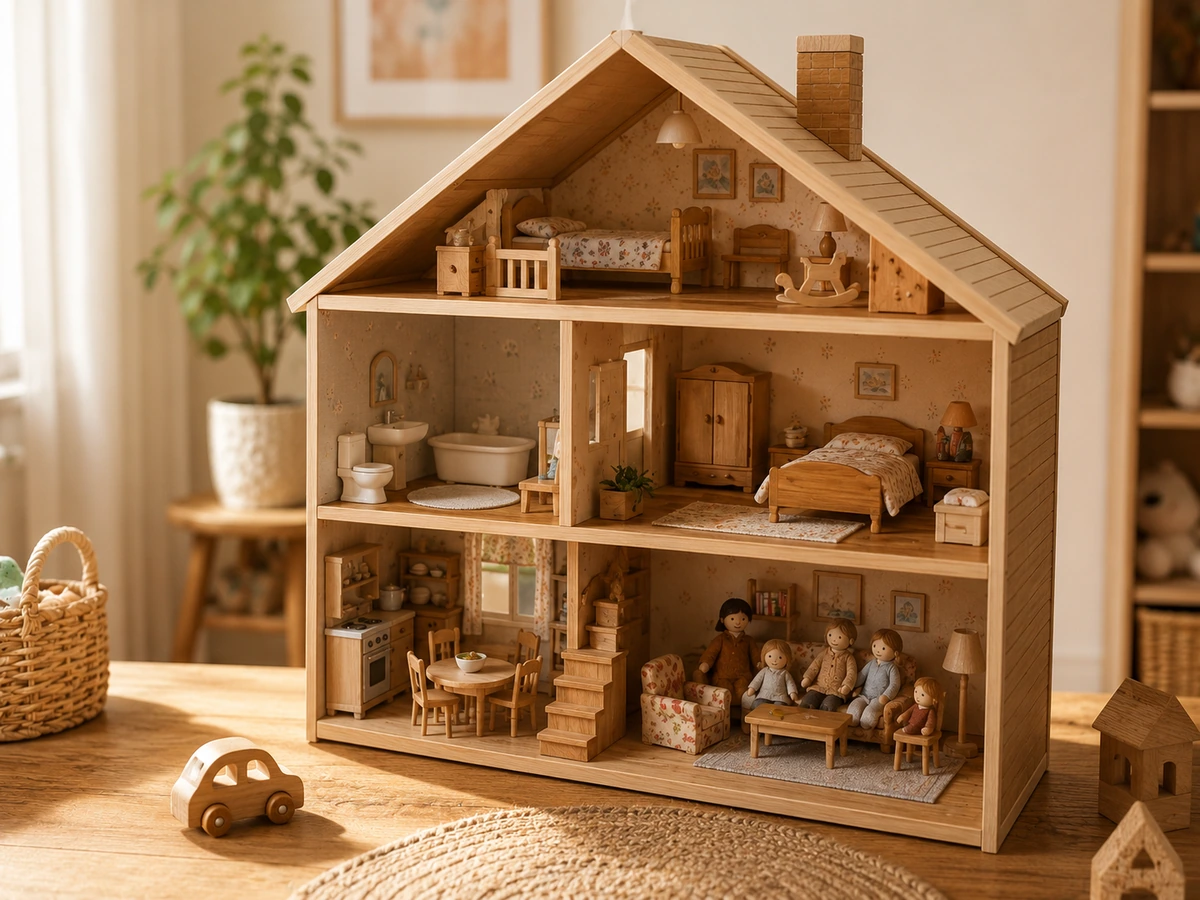
Family and home scenes help children show how they experience relationships, roles, and belonging.
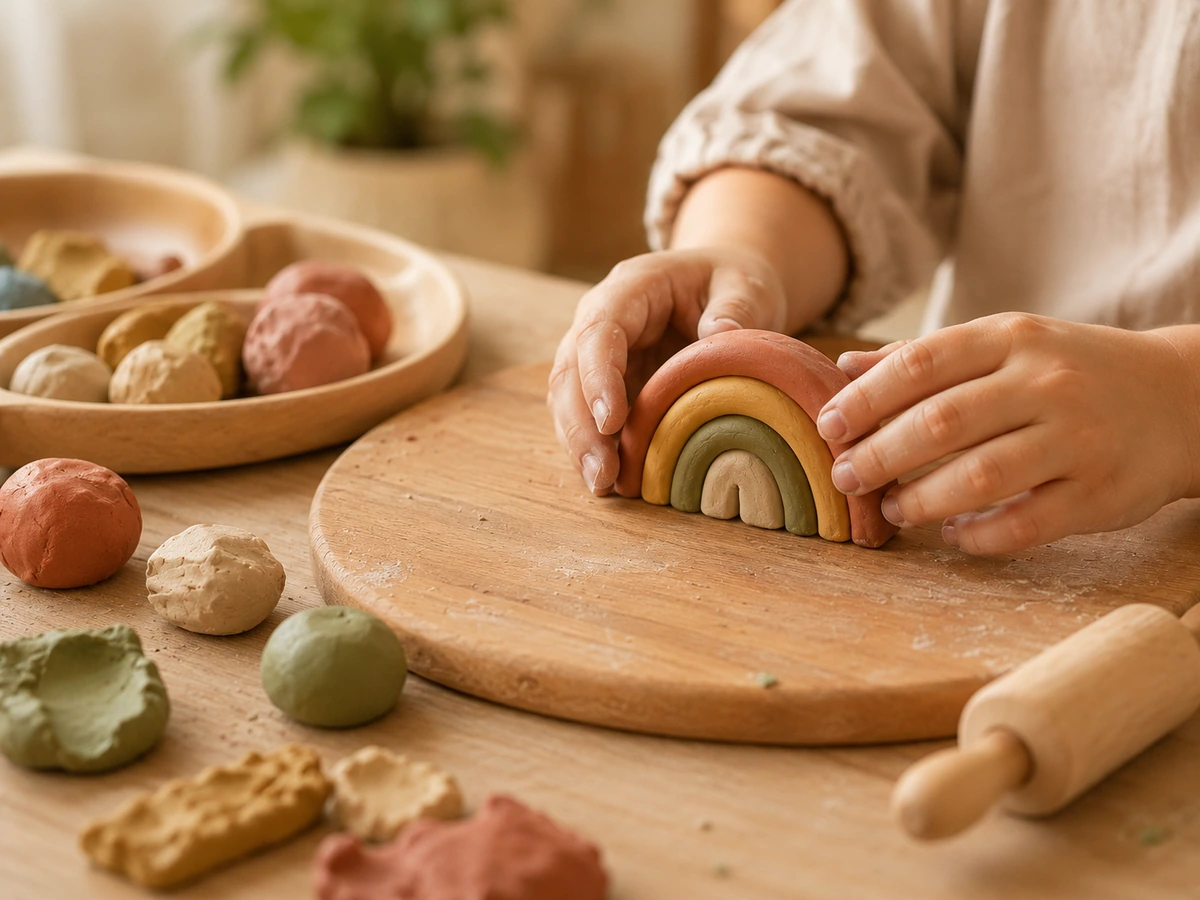
Working with clay supports sensory regulation and gives form to feelings that feel too big or too quiet.
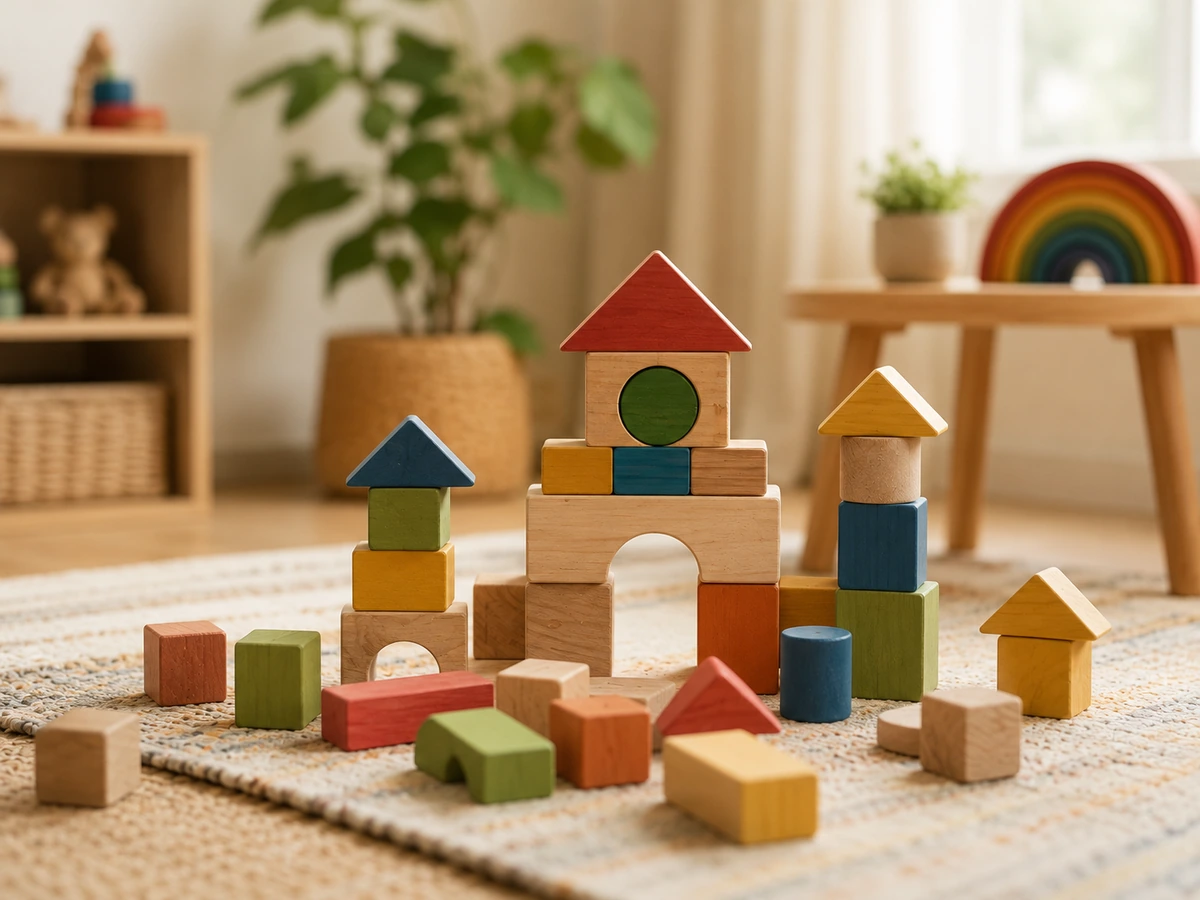
Building and rebuilding invites themes of safety, control, creativity, and problem-solving.
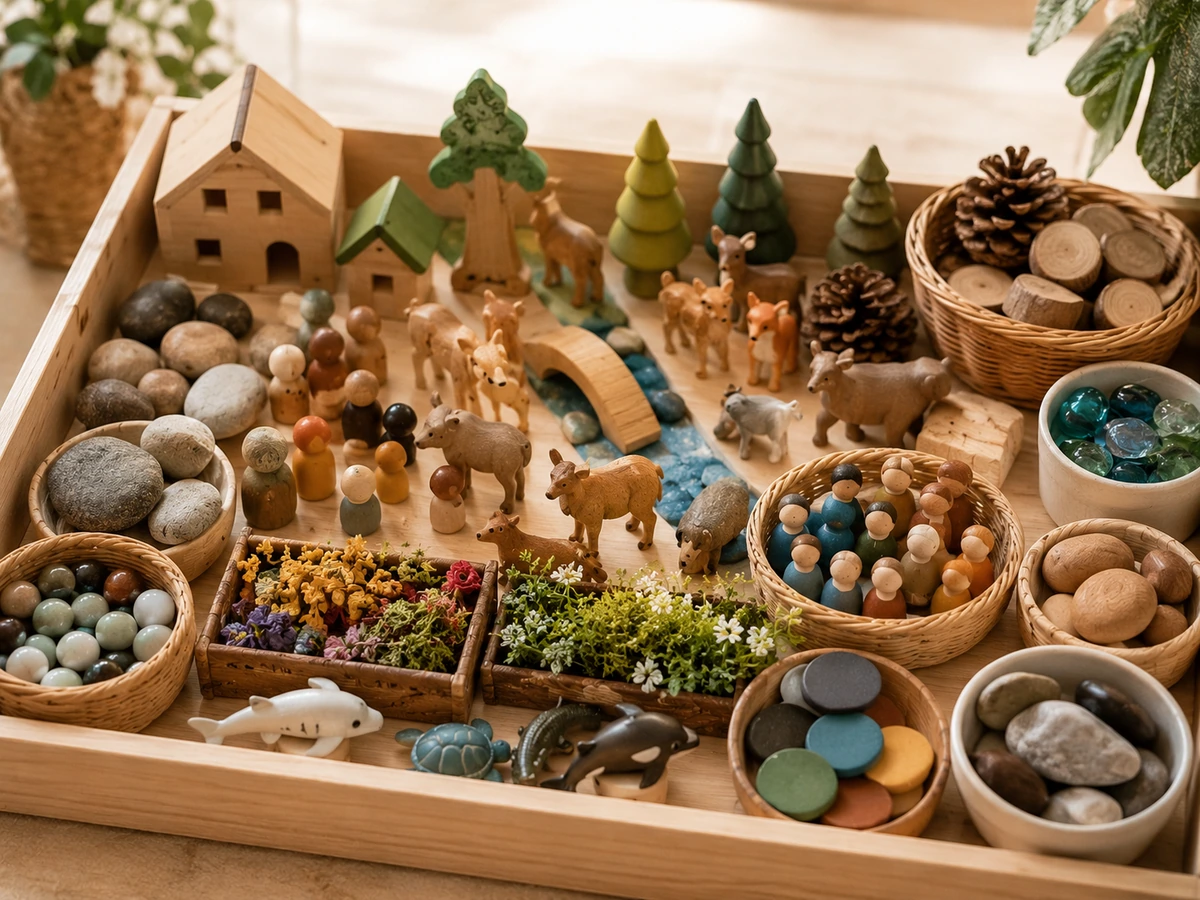
Small figures and objects become symbols for people, places, and emotions in the child’s inner world.
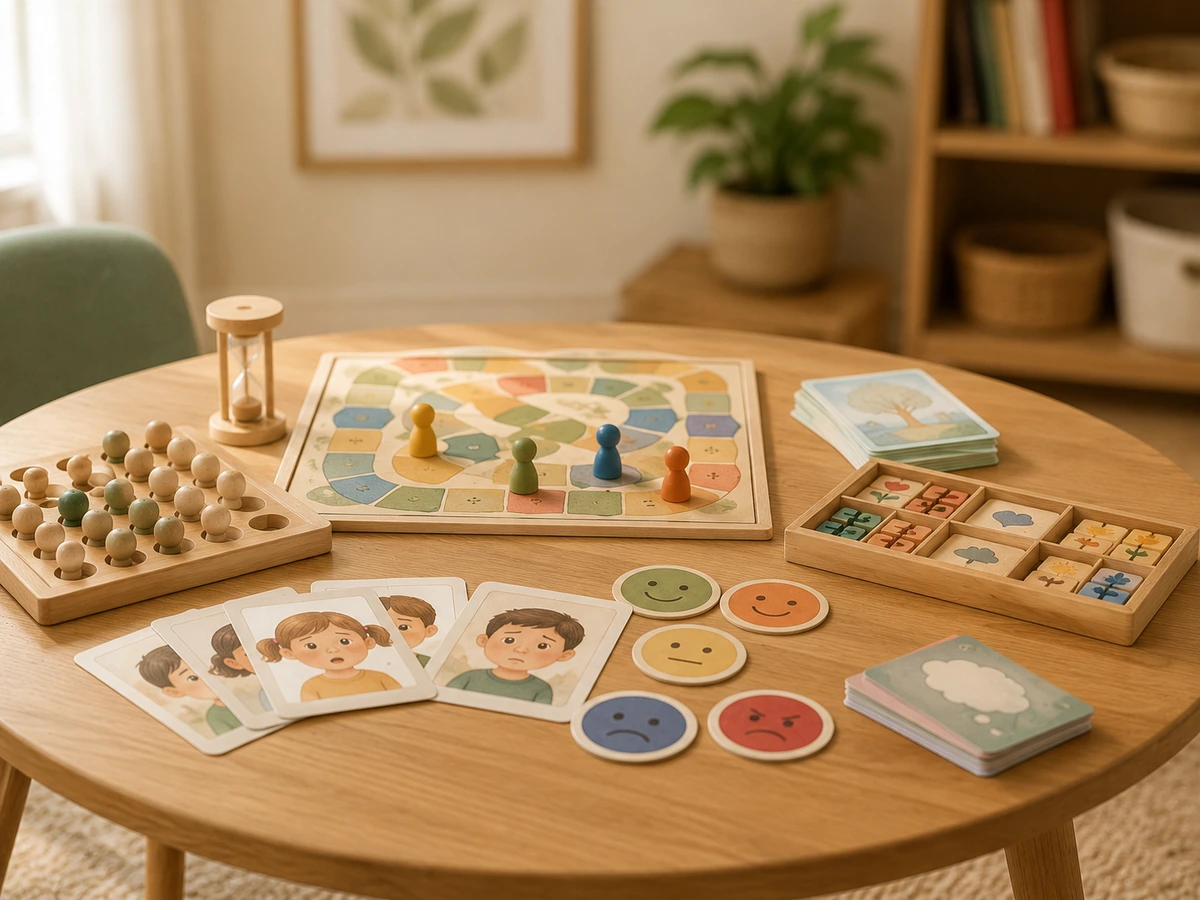
Games build trust, turn-taking, and emotional expression within a structured, playful frame.
Research snapshot
A meta-analysis of 93 controlled studies found play therapy to have a moderate to large positive effect on children's emotional and behavioural outcomes — with even stronger effects when parents were actively involved.
(Bratton et al., 2005)
Myths & facts
Myth 1
“It's just playing.”
Play Therapy is a structured, evidence-based psychological intervention. Every toy, activity and interaction is carefully chosen with therapeutic intent to help children express emotions and develop healthier ways of coping.
Myth 2
“Children will simply grow out of emotional problems.”
Not always. Persistent emotional or behavioural concerns can affect learning, relationships and wellbeing. Early intervention helps children build resilience and supports healthier long-term development.
Myth 3
“Children should just talk about their feelings.”
Young children often can't. Long before they can explain feelings in words, they express them through symbolic play. Play Therapy meets children at their developmental stage.
Myth 4
“Anyone can provide Play Therapy.”
Play Therapy is a specialised intervention requiring professional training in child development, therapeutic play, assessment, ethics and clinical practice. Simply providing toys is not Play Therapy.

Why Kintsugi
At Kintsugi — Centre for Holistic Healing & Development, we believe every child deserves a safe, nurturing space to heal, grow and thrive. Our Play Therapy services integrate developmental psychology, attachment-informed practice, neuroscience and family collaboration to provide personalised, evidence-based care.
Led by
Dr. Muhsina Lubaiba K. M. Asif
Consultant Psychologist & Qualified Play Therapist — nearly 20 years supporting children, families and educators.
Sulthan Bathery, Wayanad · Phone 90377 40817 · kintsugi.ind@gmail.com